


Spoiler: it's not just a resume line. There's pizza, real debates, and people from actual industry who show up and talk straight.
Most school clubs feel like a box to check. Show up, sign the sheet, put it on your college app. Providence Day's Kiva chapter is trying hard not to be that.
Here's an honest look at what a typical meeting looks like — and why students keep coming back.
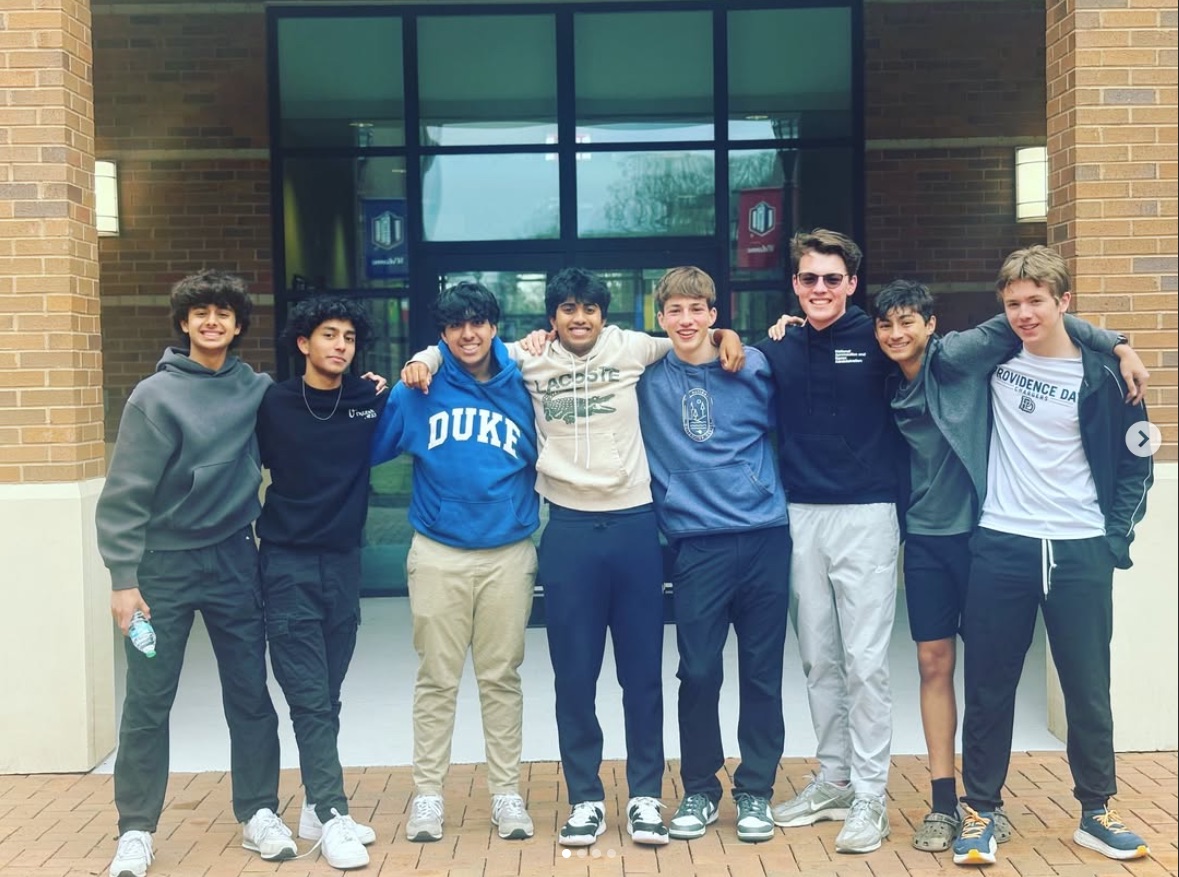
Meetings run about an hour. No PowerPoint decks for the sake of it, no reading off slides. The structure is loose enough that actual conversation can happen.
🍕Food First
Pizza shows up before the agenda does. It sounds gimmicky but it energizes the room — conversations start flowing before we get down to business.
🧠The Think Tank
A real-world problem gets thrown on the table. Recent ones: "Should microfinance institutions charge interest at all?" and "Can AI replace loan officers in rural villages?" Students argue both sides. It gets heated — in a good way.
👔Guest Speakers — C-Suite, Not Keynote-Speak
Industry professionals come in and talk like people, not like a TED Talk. Recent meetings have featured bankers, nonprofit founders, and fintech operators. The rule: students ask the hard questions, guests answer honestly.
🤝The Hangout After
The best conversations happen after the meeting officially ends. Students stick around, swap LinkedIn connections with speakers, and continue debates that started during the think tank.
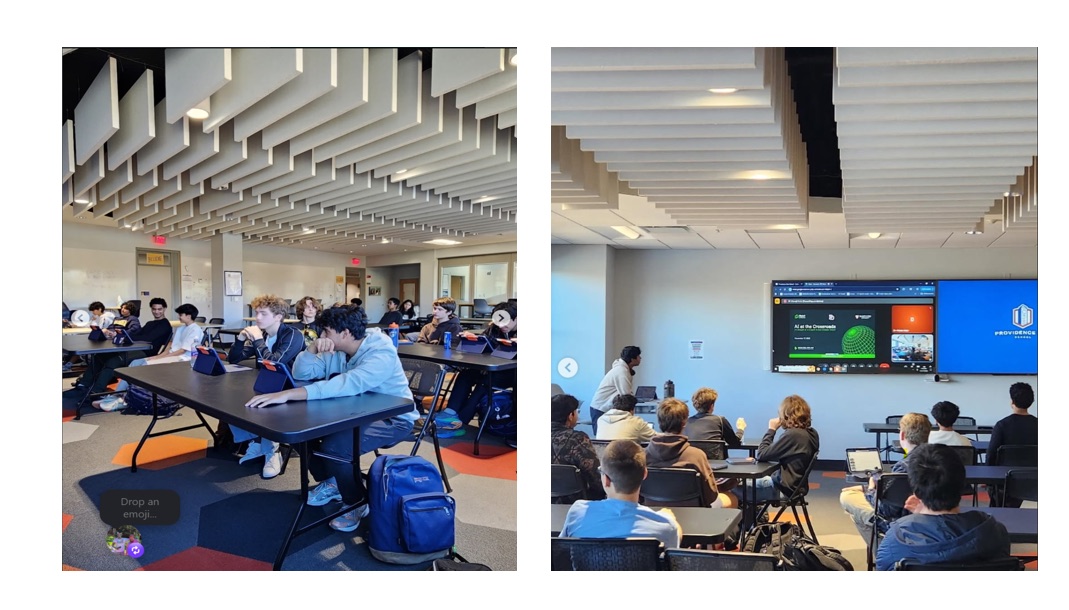
Most high schoolers' closest contact with the business world is a parent's friend who works in finance and says vague things about "working hard." PD's chapter is different in that the speakers actually talk about their experiences — deals they've closed, mistakes they've made, what they wish they'd known at 17.
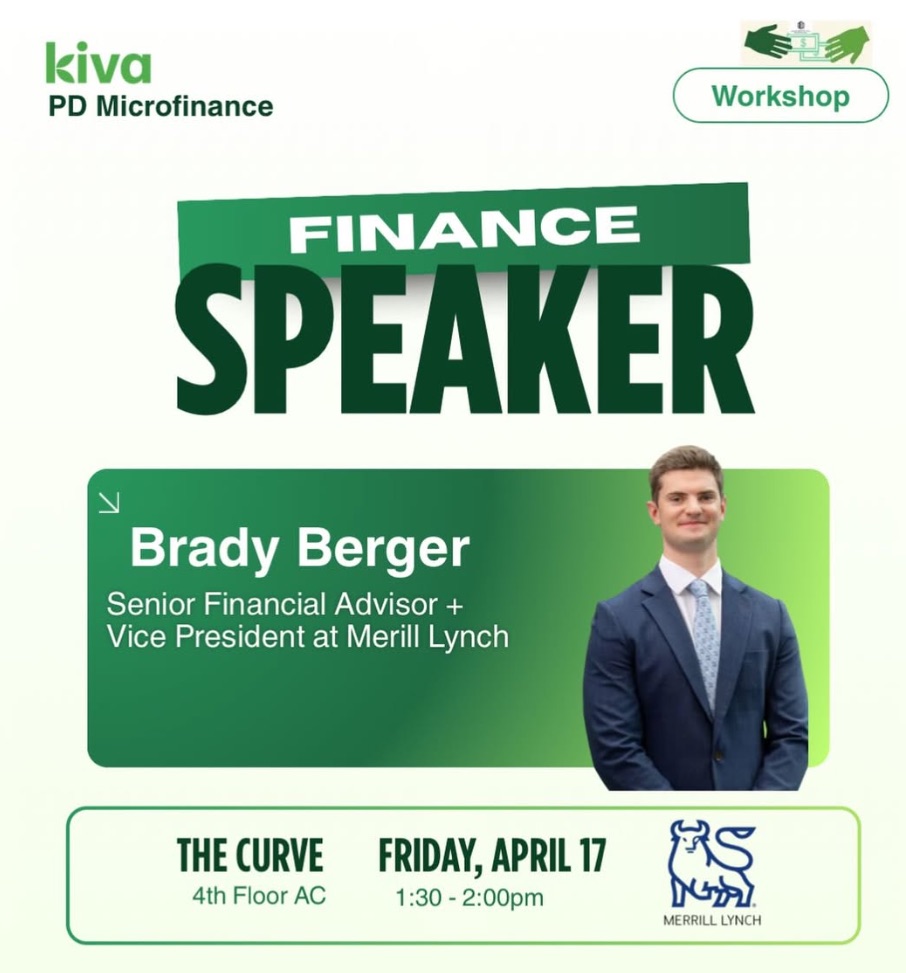
The session with Mr. Berger had students debating whether algorithmic lending actually helps low-income borrowers or just makes discrimination faster. That's not a typical Tuesday afternoon conversation.
What Students Actually Get Out of It
Real financial literacy — not the textbook stuff in the elective course. Members learn how credit risk is assessed, why interest rates differ by market, and how lending decisions actually get made at an institutional level.
Public speaking under pressure — the think tank format means defending a position in front of peers and industry professionals, not just a teacher. That's a different muscle.
Direct access to professionals — speakers have included bankers, fintech founders, and nonprofit lending officers. Students who ask good questions walk away with LinkedIn connections that have actual context behind them.
Career clarity — members have gone on to internships in community banking, impact investing, and financial consulting. Several have used chapter experience to land positions at local credit unions and CDFIs (Community Development Financial Institutions) — organizations most high schoolers have never even heard of.
That's what makes the PD chapter work. The pizza's a bonus!